
AI Didn't Kill PLR, It Killed the PLR Products Nobody Customized
Every few months, someone declares PLR dead. A couple of years ago it was social media saturation. Before that it was Google's algorithm updates cracking down on thin content. Now it's AI, and on the surface, the argument makes sense. Why would anyone pay for a pre-written ebook when a chatbot can generate one in thirty seconds for free?
Except PLR isn't dead. Sellers who treat it seriously are having some of their best years yet. What actually died was something much narrower, and much more deserved: the lazy, unedited, copy-paste PLR product that offered nothing beyond a slightly rearranged version of content thousands of other buyers already owned. AI didn't kill an entire industry. It just removed the hiding spot that low-effort sellers had been standing in for years.
This is a look at what actually changed, why the panic around AI and PLR is mostly misplaced, and what separates the PLR sellers who are struggling right now from the ones who are quietly doing better than ever.

The Real Story of What AI Changed
AI writing tools didn't introduce the concept of generic, interchangeable content. That problem existed in PLR long before ChatGPT ever launched. What AI did was make generic content free and instant, which meant buyers no longer had any reason to pay for a PLR pack that offered the same level of genericness they could now generate themselves in seconds.
Before AI, a mediocre PLR ebook still had scarcity working in its favor. Writing thousands of words from scratch took time and skill most buyers didn't have, so even an average pre-written pack felt like it was saving real effort. AI erased that scarcity overnight. Now anyone can produce a passable first draft on any topic without spending a dollar, which means the baseline for what counts as "worth paying for" moved dramatically higher.
This is the part most PLR panic conversations miss. AI didn't out-compete PLR as a category. It out-competed the specific version of PLR that was indistinguishable from AI output anyway: unedited, generic, could-have-been-written-by-anyone content with no perspective, no unique packaging, and no reason to choose it over a free alternative.
Why Uncustomized PLR Was Always Fragile
Even before AI entered the picture, unedited PLR had a structural weakness that most sellers ignored because the market hadn't punished it yet. When you buy PLR rights, you are typically not the only buyer. The same ebook, article pack, or course might be sold to hundreds or thousands of other people, some of whom are reselling it with zero changes, exactly like you.
Publish that content without meaningful edits, and you're not really selling a product. You're selling a copy of a copy of a copy, competing on nothing but price against everyone else holding the same license. That business model was always going to hit a ceiling. AI simply lowered that ceiling faster and more publicly than anyone expected.
The sellers this hit hardest were the ones who treated PLR as a finished product rather than raw material. If your entire strategy was "buy the pack, slap on a new cover, upload it for sale," you were already standing on unstable ground. AI just knocked down what was already leaning.

What Buyers Actually Stopped Tolerating
It's worth being specific about what changed in buyer behavior, because it's not that people stopped wanting helpful content. They stopped tolerating content that felt like it came from nowhere and belonged to no one. When a reader can tell that a product was generated in bulk with no human judgment behind it, whether that product came from an AI prompt or an unedited PLR file, trust collapses immediately.
What buyers still want, and arguably want more than ever, is content that feels like it was made by someone who actually understands the problem. A workbook that reflects real experience. A guide that anticipates the specific questions a beginner in that niche would ask. A voice that sounds like a person instead of a template. None of that requires you to write everything from scratch. It just requires you to actually do something with the raw material in front of you.
This is exactly where customized PLR has a genuine advantage over raw AI output, and it's an advantage most sellers aren't using yet. A well-chosen PLR base gives you real structure, real research, and a real starting point. What AI can't replicate is your specific judgment about what your audience needs, your specific way of explaining it, and your specific packaging that makes the final product feel intentional rather than generated.
The New Bar for PLR in an AI World
The standard for "acceptable" PLR content has permanently moved. A pack that would have sold perfectly well five years ago with minimal editing now needs real work before it's worth publishing. This isn't a temporary dip that will correct itself. It's a permanent recalibration of what customers expect for their money.
That sounds discouraging if your entire business model was minimal-effort reselling. But it's actually good news for anyone willing to do the work, because it raises the barrier to entry for competitors too. AI made it trivially easy to produce more content. It did not make it easy to produce content that feels genuinely useful, trustworthy, and specific.
In practice, this means the sellers who survive and grow are the ones who stopped asking "how fast can I get this listed" and started asking "would I actually want to buy this if I found it as a stranger." That single shift in mindset explains almost the entire difference between PLR sellers who are struggling in this environment and the ones who aren't.
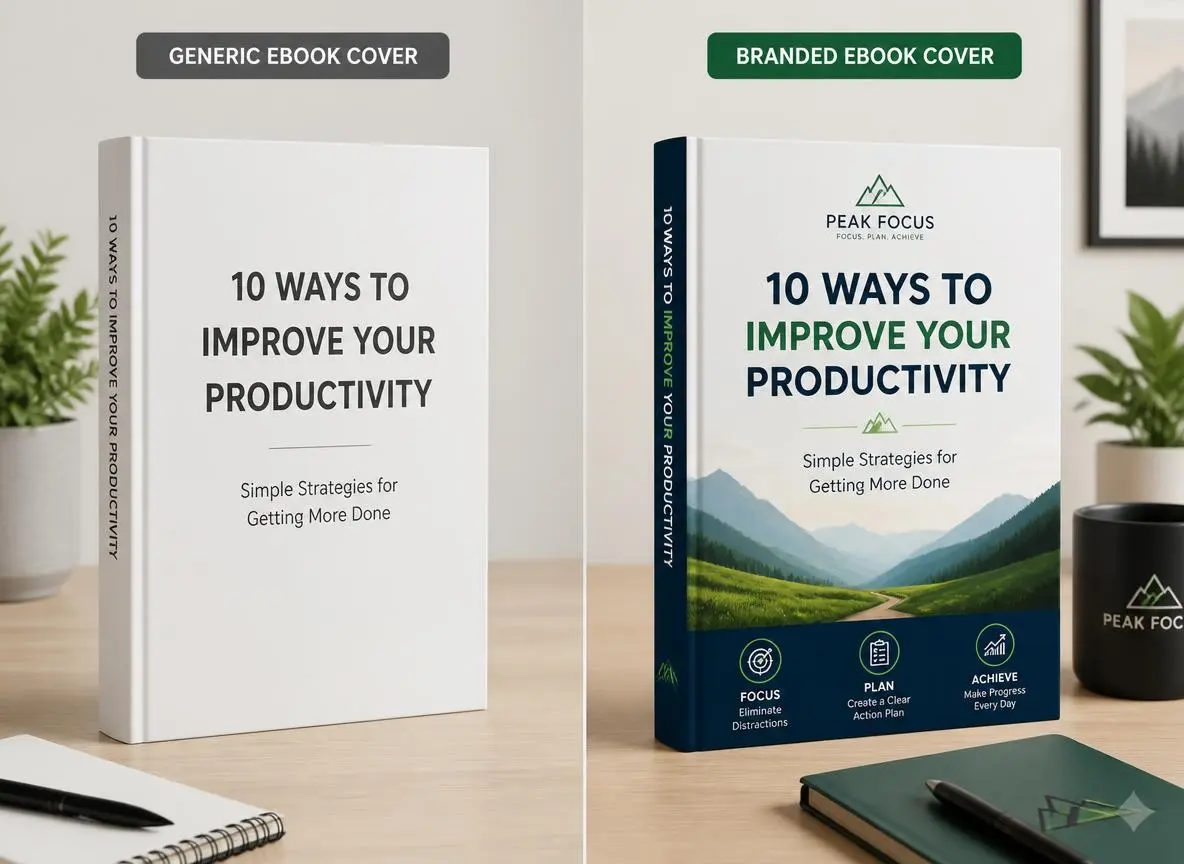
How to Customize PLR So It Survives Scrutiny
Turning a PLR base into something genuinely differentiated doesn't require rewriting every sentence from scratch. It requires targeted, meaningful changes in the places that matter most to a buyer's trust and experience.
- Rewrite the introduction and conclusion completely in your own voice, since these are the sections buyers read most carefully before deciding to trust the rest
- Add specific examples, case studies, or personal anecdotes that no other buyer of the same PLR pack would have access to
- Reorganize the structure rather than publishing chapters in the exact order they came in
- Update outdated statistics, tools, or references with current information
- Design original cover art, layout, and formatting so the product doesn't visually match other resellers
- Add a genuinely useful bonus element, like a checklist, worksheet, or quick-start summary, that wasn't part of the original PLR pack
None of these steps require enormous time investment individually, but together they transform a product from "recognizably PLR" into something that reads as a legitimate, standalone offer. That transformation is the entire difference between a product AI has made obsolete and a product AI has made more valuable by comparison.
Who Is Actually Thriving Right Now
The PLR sellers doing well in the current environment share a few consistent habits. They treat every PLR purchase as a first draft, never a finished product. They spend as much time on positioning and packaging as they do on the content itself, because they understand that presentation is often the first and most honest signal of quality a buyer sees. And they build around themes and outcomes rather than randomly assembled topics, so their catalog feels like a coherent brand instead of a pile of disconnected files.
These sellers also tend to bundle strategically, combining a PLR core with original bonus material, personal commentary, or a unique framework that ties everything together. That combination of proven content and genuine originality is difficult for either raw AI output or lazy PLR reselling to replicate, which is exactly why it continues to perform well even as the broader market gets noisier.
Perhaps most importantly, these sellers stopped viewing AI as a threat to compete against and started viewing it as a tool to use. AI is genuinely useful for speeding up the editing process, generating fresh examples, or helping restructure a section, as long as a human is still making the final judgment calls about voice, accuracy, and relevance. Used this way, AI doesn't replace customization. It accelerates it.
Practical Tips for Future-Proofing Your PLR Business
- Never publish PLR content the same day you buy it, give yourself time to actually read through it
- Ask honestly whether your product would stand out next to five competitors selling the same base content
- Invest in original visuals and branding even when the underlying content is licensed
- Use AI tools to speed up your editing process, not to replace the judgment calls that make your version different
- Build your catalog around a consistent theme or audience rather than chasing every trending topic unedited
- Treat customization as a permanent cost of doing business in this space, not a one-time task you can skip

Selling Something Worth Buying, Not Just Selling Something
The uncomfortable truth is that this was never really about AI. It was about a market finally refusing to pay for something it could get for free elsewhere. Take a hard look at your current catalog, identify the products that are still sitting unedited, and start turning them into something only you could have made.
Explore Business & Marketing PLR →
Leave A Reply