
Why PLR Planners Are Quietly One of the Most Profitable Niches Right Now
There is a category of digital product that sells consistently on Etsy, consistently on Gumroad, consistently through email lists and social media promotions, and consistently across every season of the year. It does not depend on a trending topic, a viral moment, or a short-lived buyer obsession. It is not glamorous. But the numbers tell a very different story.
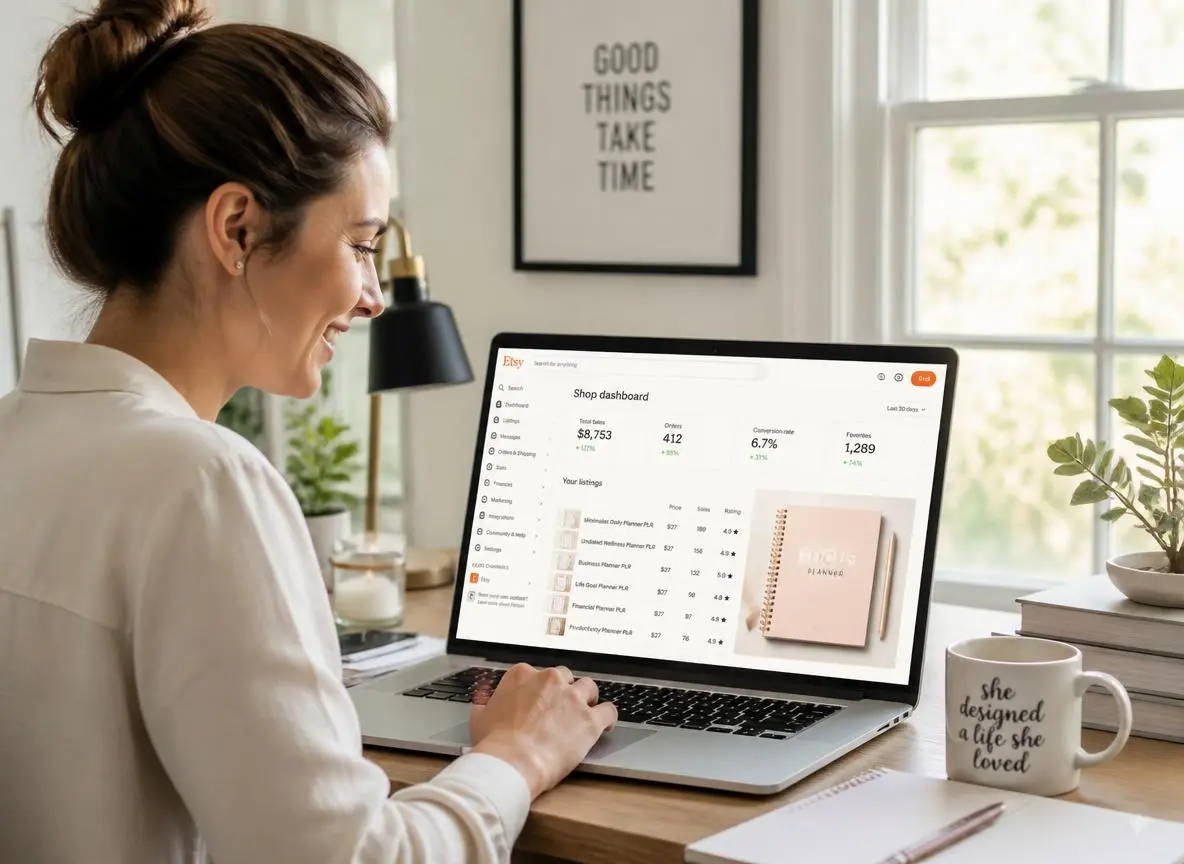
PLR planners are quietly generating some of the most reliable passive income in the entire digital products space, and the sellers who have figured this out are not talking about it loudly because they are too busy counting their sales. This guide explains why, and exactly how to capture your share of this market.
What Makes the Planner Market Different From Most Digital Product Categories
Most digital product categories experience demand that fluctuates significantly based on trends, algorithm changes, platform shifts, and the attention economy's constant churn toward the next interesting thing. Courses on specific tools become outdated when the tools change. Ebook topics can feel stale within months. Social media templates tied to specific aesthetic trends have a limited shelf life before the visual culture moves on.
Planners are structurally different. The desire to plan, organize, and feel in control of one's time, finances, goals, and wellbeing is not a trend. It is a fundamental human drive that has existed for as long as humans have had more things to do than they could hold in their heads at once. The modern digital planner market is simply the current expression of a need that will never go away and never stop generating buyer demand.
The format versatility of planners is another structural advantage. A single PLR planner content pack can realistically be transformed into four different product formats targeting four different segments of the planner-buying audience — multiplying the revenue from a single PLR investment.
Printable PDF
Download, print, and use with physical pens and highlighters
GoodNotes / iPad
Digital tablet template with Apple Pencil support
Notion Template
Buyers duplicate directly into their own workspace
Spreadsheet
Google Sheets or Excel system for data-driven planners
The PLR Advantage in the Planner Market
The planner market has a characteristic that makes it particularly well suited to PLR sellers. Buyers value the design, the layout, the visual experience, and the thoughtfulness of the structure far more than they care about the originality of the underlying planning philosophy. A beautifully designed daily planner with a clean layout, strategic prompts, and a premium brand aesthetic will outsell a plain or generic planner covering the same content every time.
This means the competitive advantage in this market is not about who created the most original content. It is about who presents the most polished, visually appealing, and strategically positioned planner product. PLR planner content provides the structural framework, the prompts, the sections, and the organizational logic. The PLR seller's job is to take that framework and design it into something beautiful enough that buyers choose it over the dozens of similar options in the marketplace.
PLR planner content is also readily available across virtually every high-demand planner niche — productivity and time management, health and wellness, content marketing planning, the entrepreneur space, and the self-care and mental health space. You do not need to choose a niche and hope PLR content is available. You can browse available PLR planner content and identify the intersection between high-quality content and high-demand buyer categories.
The Most Profitable PLR Planner Niches in 2026
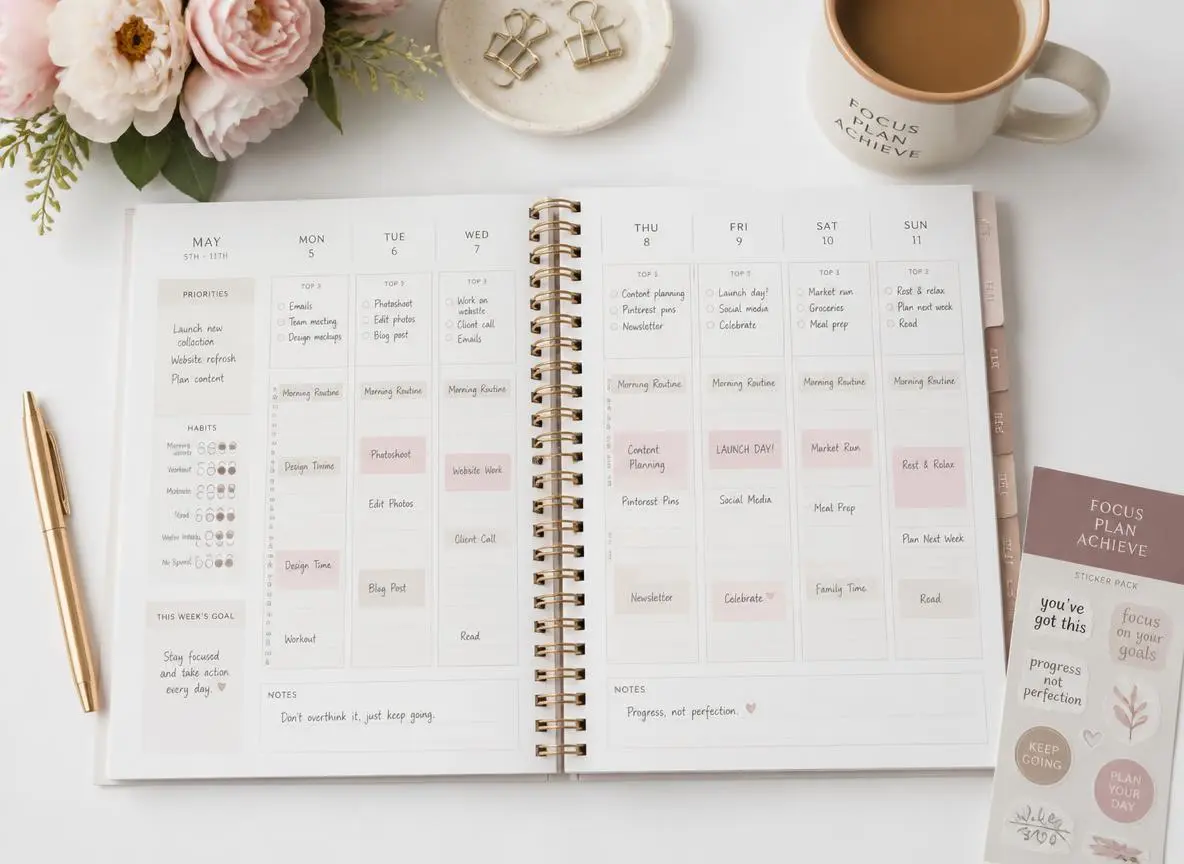
Not all planner niches perform equally. Understanding which ones generate the most consistent buyer demand in 2026 is essential for making smart PLR investment decisions. The following categories represent the planners generating the most consistent sales across major digital product platforms right now.
- Goal-Setting and Annual Planning Perennially the highest-volume planner category. Extraordinary demand every November through January, but interest in goal-setting planners remains active throughout the year as buyers set and reset goals at various life transition points.
- Health and Wellness Planners Spans meal planning, fitness tracking, habit tracking, sleep tracking, and holistic wellness journaling. The wellness planner buyer is highly motivated, willing to invest in premium designs, and likely to return for additional planners as their wellness practice evolves.
- Budget and Personal Finance Planners Attracts buyers with particularly high purchase intent — someone looking for a budget planner is already in the mindset of taking control of their personal finance. Finance planner buyers frequently purchase additional finance-adjacent products, making this excellent for a cohesive product line.
- Teacher and Educator Planners A highly engaged niche with distinctly seasonal purchase patterns. Teacher planner buyers are professional, specific in what they need, and willing to pay for planners that reflect the real complexity of their requirements. Lower competition and premium pricing potential.
- Business and Entrepreneur Planners Content planning calendars, client tracking systems, project management planners, and income and expense tracking templates. The business planner buyer is often also a digital tool buyer, making Notion templates and spreadsheet-based planners particularly strong performers in this segment.
- Wedding and Event Planners High-ticket niche where buyers have a defined timeline, a specific need, and a significant personal investment in the outcome. Commands premium pricing and generates strong demand January through June when engagement announcements are followed by planning activity.
- Self-Care and Mental Health Planners Daily gratitude journals, mood tracking planners, anxiety management planners, and self-reflection journals. The emotional resonance creates strong buyer attachment and frequently generates the most enthusiastic organic reviews and social sharing of any planner category.
How to Source and Evaluate PLR Planner Content
Finding quality PLR planner content requires more care than finding quality PLR written content because the bar for what constitutes useful planner content is inherently more structural. A well-written article can be useful even if it is not beautifully formatted. A planner that is not logically organized and thoughtfully structured will frustrate users regardless of how it is designed.
When evaluating PLR planner content, start by examining the structural logic. Does the planner guide the user through a clear process from beginning to end? Do sections build on each other in a way that supports the planning behavior it is designed to encourage? Are the prompts specific and actionable rather than vague and generic? Look also for variety within the structure — a good weekly planner is not simply seven identical daily pages stacked together. It has a weekly intention-setting section, a weekly review section, and a habit tracker or priorities section that gives the week a sense of cohesion.
Assess the niche specificity of the planner content. Generic planners compete against every other generic planner in the market. A planner designed specifically for freelance designers, homeschooling parents, people in recovery, or new entrepreneurs faces dramatically less competition while serving a buyer with equally strong or stronger purchase motivation. And always verify the license terms carefully before purchasing — some licenses restrict you to selling only the final formatted version rather than editable files.
Transforming PLR Planner Content Into Premium Products
The transformation process for a PLR planner is fundamentally a design and positioning exercise. Unlike PLR written content, where the primary transformation involves rewriting and adding original commentary, PLR planner transformation is primarily about creating a visual and experiential identity that makes the planner feel premium, unique, and specific to your brand.
Start by establishing a clear brand identity for your planner line before designing any individual product. Choose a consistent color palette, typography system, and visual style that will run through every planner you create. This brand consistency is what allows buyers who purchase one of your planners and love it to immediately recognize your other products in the marketplace — and it is the foundation of the repeat purchase dynamic that makes planner shops particularly lucrative over time.
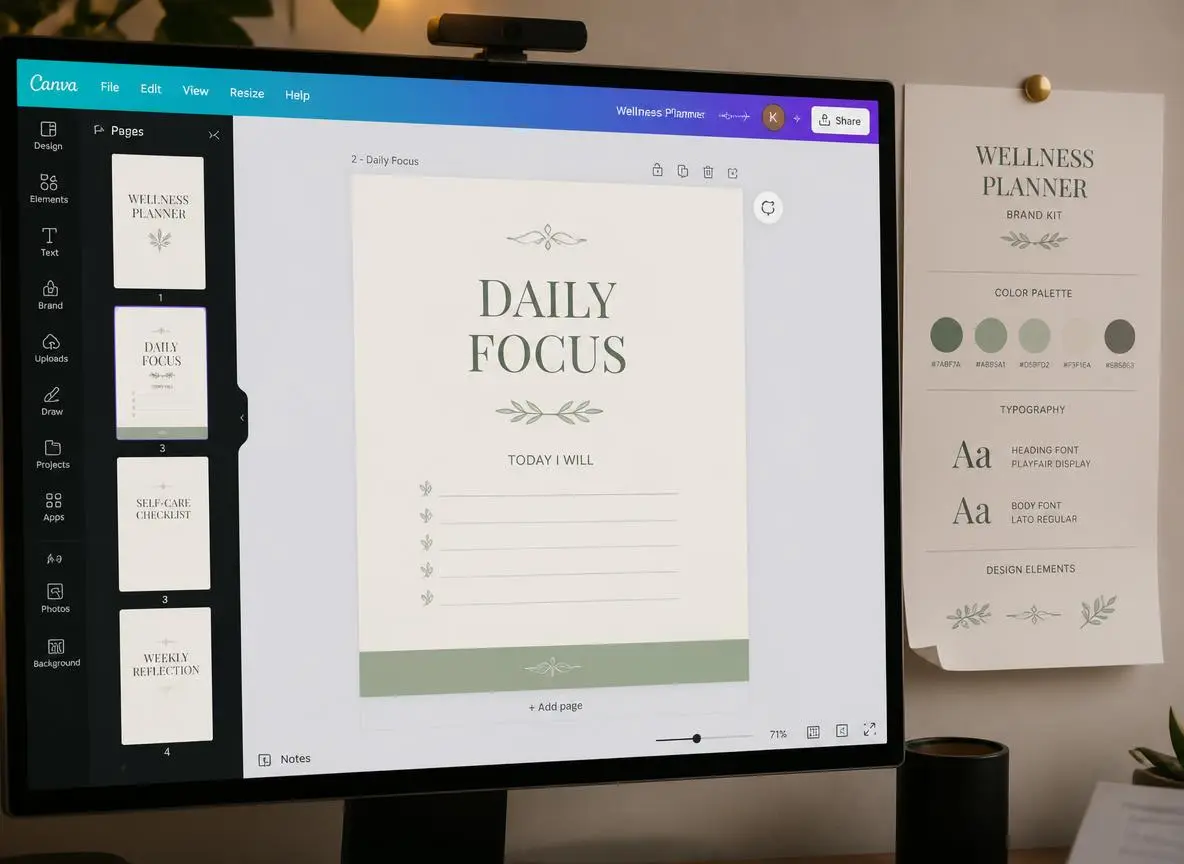
Rebuild the planner layout from scratch using Canva or Adobe InDesign rather than simply adding your brand colors to the existing PLR layout. Create a professional cover page and section divider pages that reflect your brand aesthetic. Then write original introduction copy for your planner that establishes the philosophy, the intention, and the user experience you are promising the buyer. Pair this with AI tools to generate design variations, cover concepts, and mockup styles rapidly.
Building a Planner Product Line That Generates Year-Round Income
Individual planner products generate sales, but a coordinated planner product line generates a business. The structural advantage of the planner market is that different planners serve the same buyer at different time scales and for different areas of their life. A buyer who loves your weekly productivity planner is a natural candidate for your daily focus planner, your quarterly goal-setting system, and your annual reflection journal.
Map out a product line architecture that covers multiple time horizons and multiple life areas within your chosen niche. If you are entering the wellness planner space, consider a product line that includes a daily habit tracker, a weekly wellness journal, a monthly self-care planner, and a ninety-day transformation program. Create bundle offers that combine complementary planners from your product line — bundles increase your average order value significantly without requiring the creation of new content.
Build seasonal launch moments into your content calendar that align with natural demand spikes. Plan these launches in advance and have your products, email marketing sequences, and promotional materials ready to activate before each peak demand period.
New Year Rush
Mid-December through January — the biggest planner demand spike of the year
Back-to-School
July and August — teacher, student, and family planner demand peaks
Holiday Season
October and November — organization and planning demand surges
Practical Tips for PLR Planner Sellers
- Create a brand kit with three to four consistent colors and two complementary fonts and apply it across every planner in your product line for visual recognition
- Use lifestyle mockup scenes rather than plain product shots for all Etsy listings since the aesthetic scene sells the aspirational feeling buyers are actually paying for
- Launch with at least three coordinated products that serve the same buyer at different planning granularities rather than a single standalone planner
- Price printable planners between twelve and twenty-seven dollars and digital tablet or Notion versions between twenty-seven and forty-seven dollars
- Create a seasonal content calendar that plans launches around the three major planner demand spikes at new year, back-to-school, and holiday season
- Offer a free sample page or two-page preview inside your Etsy listing so buyers can evaluate the quality of the prompts and design before purchasing
- Build a Pinterest presence with keyword-optimized pin descriptions that target the specific buyer search terms in your planner niche
- Include an instruction page or getting-started guide in every planner since happy users leave better reviews
- Design complementary planners in the same visual style so buyers naturally collect the full set over time
- Refresh your bestselling planners annually with updated cover designs and minor prompt updates to maintain listing freshness and search performance
The Opportunity Is Still Wide Open
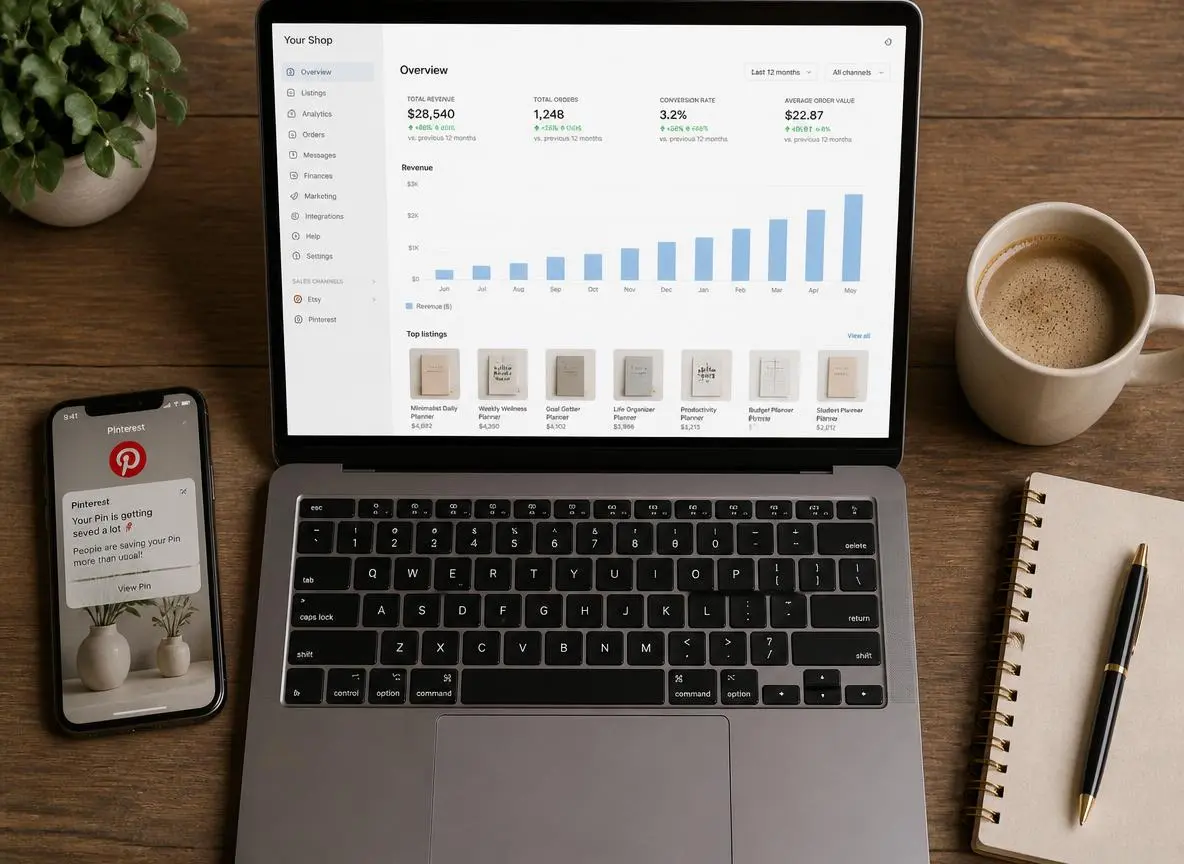
The PLR planner market is large, but it is not uniformly saturated. The niche-specific, beautifully designed, strategically positioned planner categories are still wide open for sellers willing to do the work of creating premium products. The buyers are there. The demand is there. The PLR content is there. The only missing ingredient is a seller who combines all three with enough design quality and marketing consistency to capture a meaningful share of a market that will continue growing indefinitely.
Browse PLR Planner Content to Start With →
Leave A Reply