
PLR and Resell Rights Explained: What They Mean and How to Use Them
If you've spent any time browsing digital product marketplaces, you've probably run into a wall of confusing abbreviations. PLR, MRR, RR, PU, giveaway rights, the list goes on, and every seller seems to use the terms slightly differently. It's no wonder so many people buy a product, want to resell it, and then have no idea whether they're actually allowed to.
Understanding these license types isn't just a legal technicality. It directly affects what you can do with a product, how much you can charge for it, and whether you could get in trouble for using it the wrong way. This guide walks through the most common resell rights categories in plain language, so you can buy, use, and sell digital products with total confidence.
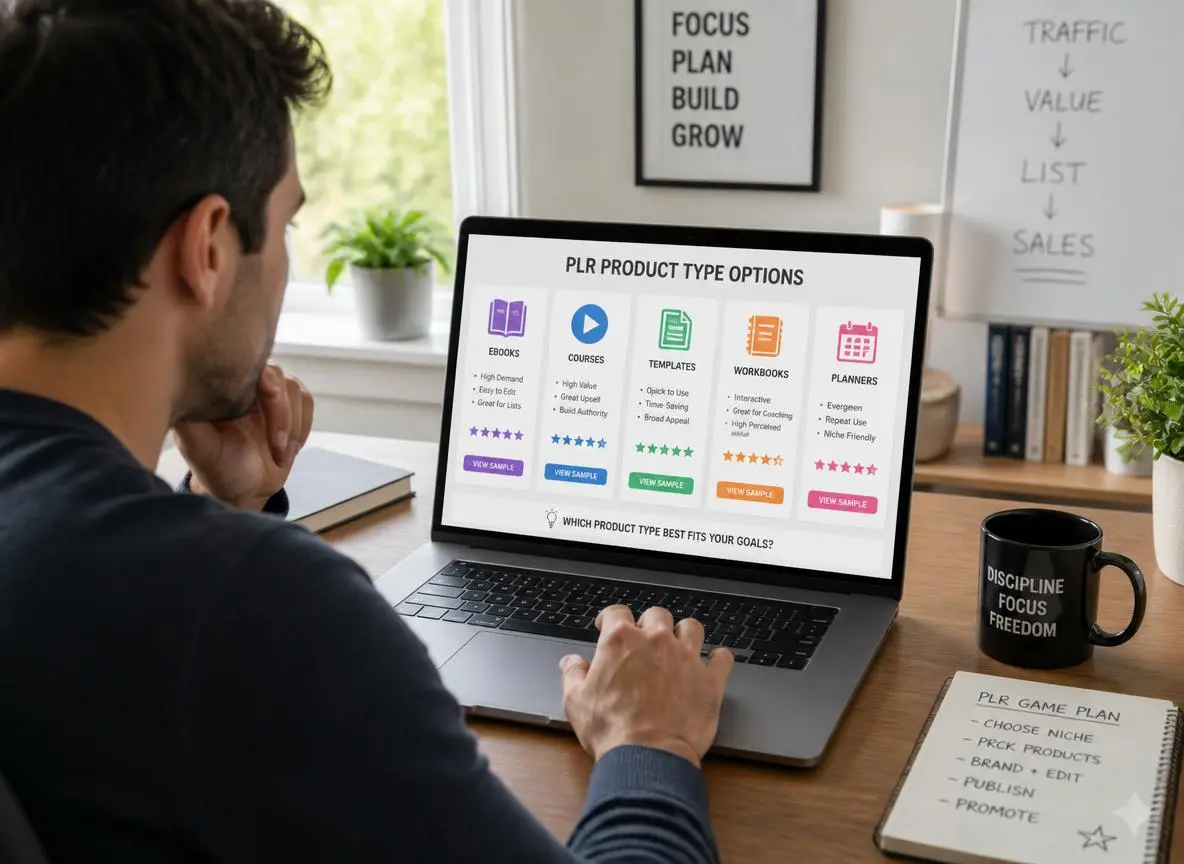
What Is PLR and What Can You Actually Do With It
PLR stands for private label rights, and it's the most flexible license type you'll typically encounter. When a product is sold with PLR, you're given permission to edit the content, rebrand it under your own name, and in most cases resell it as your own product without ever crediting the original creator.
This flexibility is what makes PLR so popular. You can take a single PLR ebook and split it into blog posts, turn it into an email series, combine it with other content into a bundle of other content, or repackage it entirely under a new title and cover. Because you're allowed to modify it, PLR gives you the most creative control of any license type.
That said, PLR licenses vary from seller to seller, and the specific terms matter. Some PLR licenses restrict you from reselling the rights themselves, meaning your customers can use the content but can't turn around and resell it again. Others allow full transferable rights. Always read the license terms attached to each individual product, since assuming every PLR license works the same way is one of the most common mistakes new buyers make.
What Is MRR and How It Differs From PLR
MRR stands for master resell rights, and it works differently from PLR in one key way: you typically cannot edit the actual content. With MRR, you're buying the right to resell a product as-is, and to pass that same resell right on to your customers, but the content itself usually needs to stay unchanged.
This makes MRR products faster to work with since there's no editing involved, but it also means you're selling the exact same file that potentially hundreds of other people are selling too. Branding and marketing become your only real differentiators, since the product content is identical across every seller.
MRR is a good fit when you want to add a product to your catalog quickly without spending time customizing it, especially for lower-ticket items or bonus content bundled with something else you're selling. Just be aware that because the content isn't unique to you, standing out on price or presentation matters even more than it does with PLR.
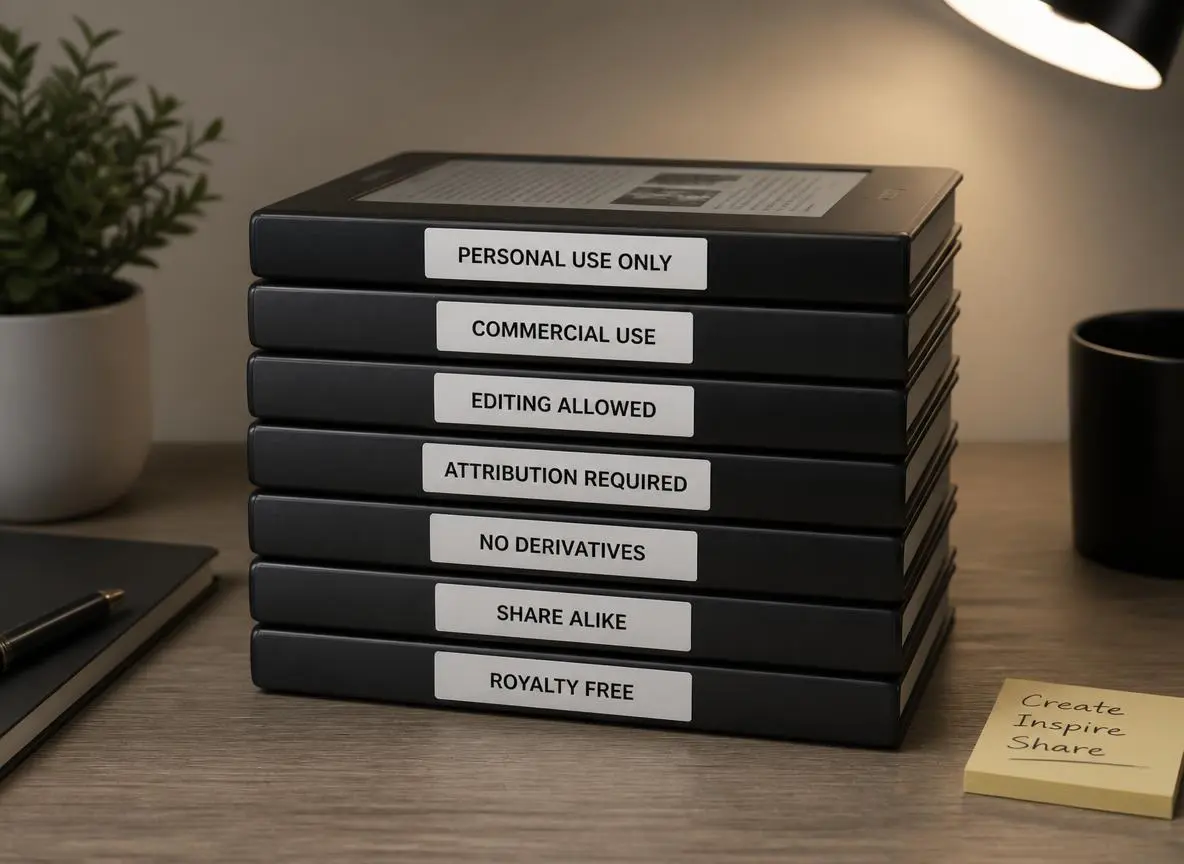
What Is RR and Why It's More Limited Than MRR
RR, or plain resell rights, is a step down from MRR in terms of flexibility. With standard resell rights, you can sell the product to customers, but you cannot pass along the right for those customers to resell it further. In other words, the resale chain stops with you.
This distinction matters more than it might seem. If you're building a business around reselling digital products to other resellers, RR won't support that model, since your buyers are only getting a license to use the product themselves rather than to sell it onward. RR products are typically meant for end users, not for building a resale network.
Like MRR, resell rights products usually can't be edited or rebranded, so you're again selling the same unmodified content that other license holders are also distributing.
What Are PU and Giveaway Rights
Personal use rights, sometimes labeled PU, are the most restrictive license type in this entire category. A product sold with personal use rights can be used by you for your own learning or your own business operations, but it cannot be resold, rebranded, or given away to anyone else in any form.
Giveaway rights sit in a slightly different lane. These allow you to distribute a product for free, often as a lead magnet or bonus incentive, but they typically don't allow you to charge money for it. Giveaway rights are useful for list-building and relationship-building content, but they're not a path to direct product revenue.
It's worth noting that some products bundle multiple rights types together, offering PLR for one use case and giveaway rights for a lighter version of the same content. Reading the specific license document attached to each product is the only reliable way to know exactly what's allowed.
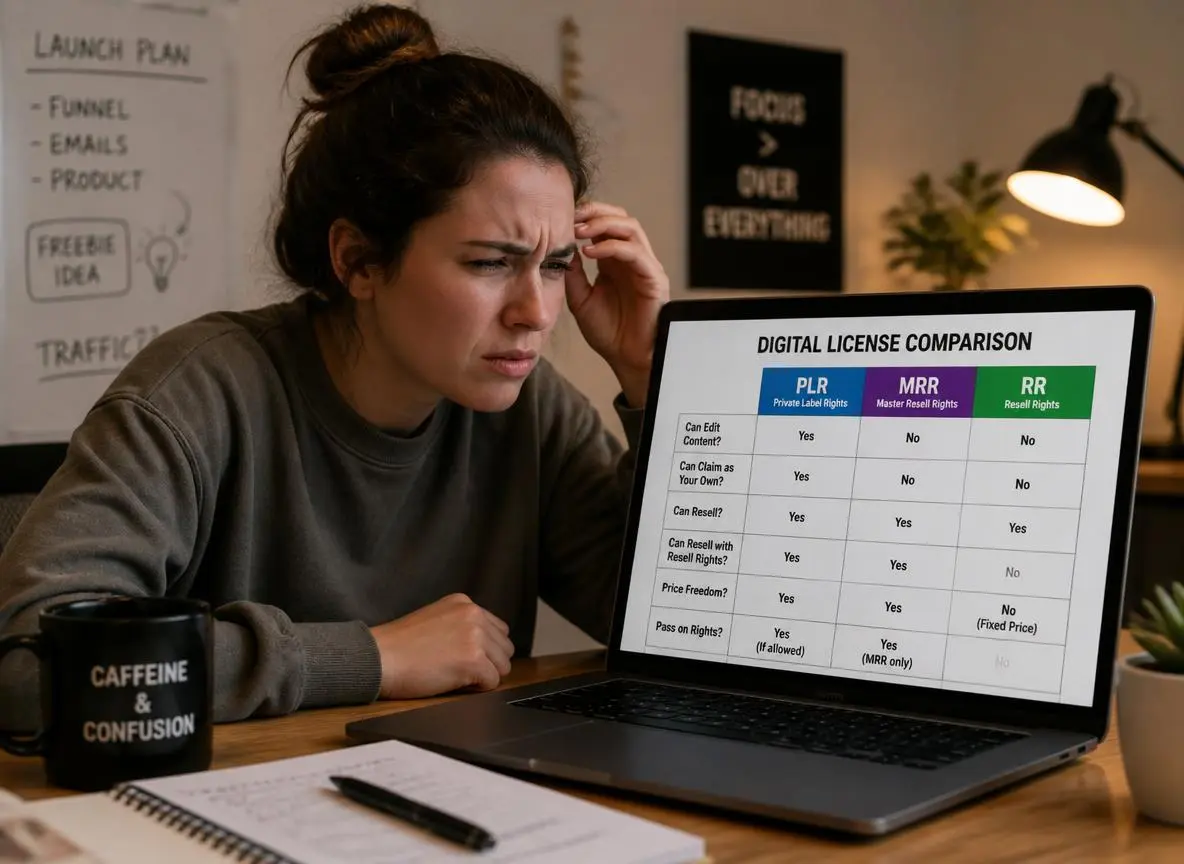
Comparing the Rights Types Side by Side
When you line these license types up against each other, a clear pattern emerges. PLR gives you the most freedom, allowing editing, rebranding, and resale. MRR allows resale and passing resale rights forward, but usually without editing. RR allows resale to end users only, with no further resale chain and no editing. Personal use rights allow only your own use, with no resale or distribution at all. Giveaway rights allow free distribution but not paid resale.
How to Choose the Right License Type for Your Business Goals
If your goal is building a distinct brand identity with content that doesn't look like everyone else's, PLR is almost always the better investment, since the ability to edit and rebrand is what lets you differentiate. This matters most for cornerstone products, signature offers, or anything tied closely to your brand reputation.
If your goal is filling out a catalog quickly with low-effort inventory, MRR or RR products can save you significant time, since there's no editing required before you start selling. Just factor in that your differentiation will need to come from pricing, bundling, or customer experience rather than the content itself.
If your goal is growing an email list or building trust with a new audience, giveaway rights content is often the most efficient tool, since free, valuable content tends to convert cold traffic into subscribers more easily than a paid offer would.
Common Mistakes to Avoid When Using PLR and Resell Rights Content
- Assuming all PLR licenses work the same way, when terms can vary significantly from product to product
- Publishing PLR content without any edits, which increases the risk of duplicate content issues and weak differentiation
- Reselling MRR or RR products with resale rights attached when the license doesn't actually allow it
- Using personal use or giveaway rights content for paid resale, which violates the license entirely
- Losing track of which license applies to which product once your library grows large
- Failing to keep a copy of the license terms for each product in case you need to reference them later
Keeping a simple spreadsheet or folder system that tracks the license type for every product you own will save you enormous headaches as your digital product collection grows.
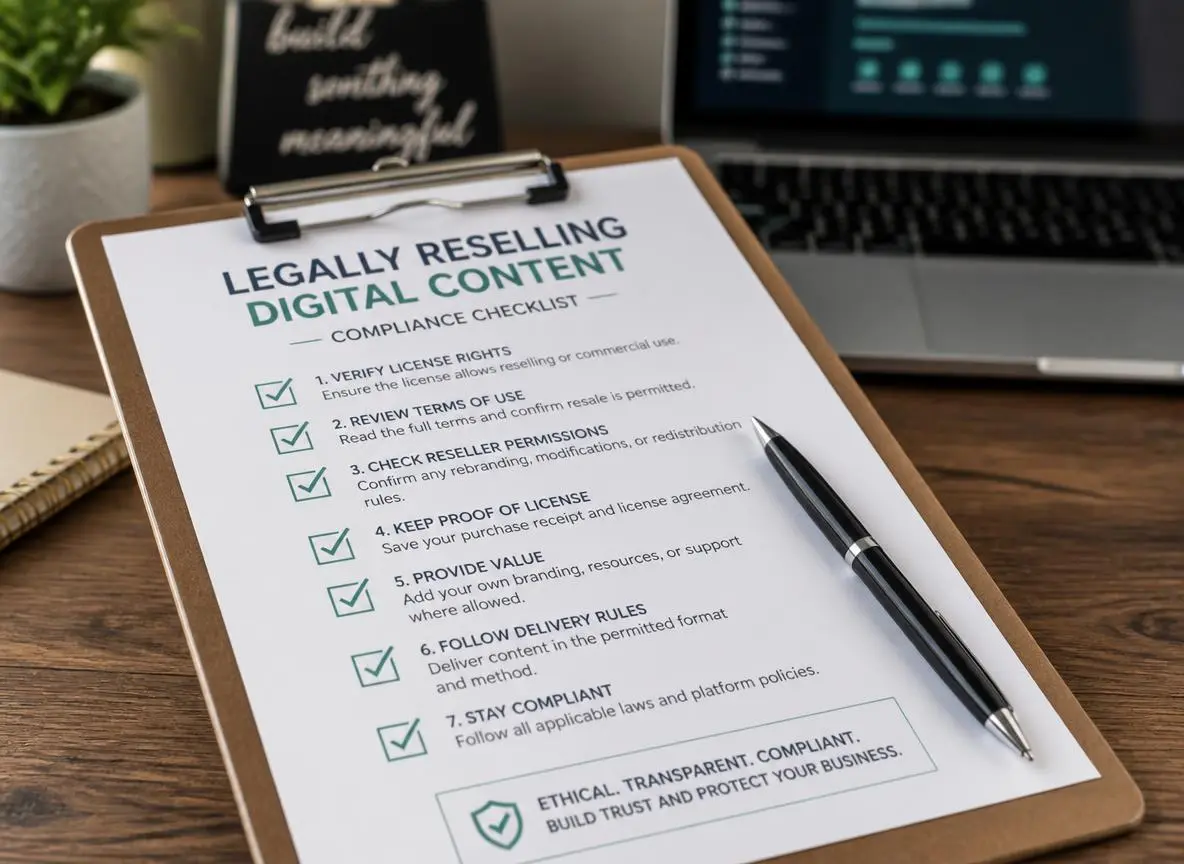
Using PLR and Resell Rights With Confidence
Once you understand the differences between PLR, MRR, RR, personal use, and giveaway rights, the confusion that trips up so many digital product buyers disappears. Before you buy or sell your next digital product, take a moment to actually read the license terms rather than assuming. That small habit protects you legally and sets you up to build a PLR business on a solid foundation rather than guesswork.
Browse Business & Marketing PLR →
Leave A Reply