
How To Price PLR and MRR Products for Maximum Profit in a Competitive Market
If you have ever found yourself staring at a new product listing wondering whether to price it at nine dollars, nineteen dollars, or forty-seven dollars — you are not alone. Pricing is one of the most consequential decisions PLR and MRR sellers make.
Get it right and you maximize revenue from every sale while attracting buyers who value what you offer. Get it wrong and you either leave significant money on the table by underpricing, or repel buyers by pricing without the supporting value to justify it. The good news is that pricing digital products is not a guessing game. There are clear principles, proven frameworks, and specific strategies that consistently produce better outcomes for PLR and MRR sellers in competitive markets. This guide gives you all of them.
Why Most PLR and MRR Sellers Price Too Low
The most common pricing mistake in the PLR and MRR space is chronic underpricing. New sellers look at the lowest-priced competitors in their niche, set their own price at or below that level to attract buyers, and then wonder why their revenue remains flat despite consistent sales volume. Underpricing creates a vicious cycle that is hard to escape once you are in it.
When you price a product at five or seven dollars, you are communicating to potential buyers that what you are selling is worth five or seven dollars. Buyers make quality judgments based on price before they even read your product description. A digital ebook priced at five dollars signals a quick, low-effort resource. The same ebook priced at twenty-seven dollars with a well-designed cover and a compelling description signals a premium resource worth investing in — whether that is a productivity course, a financial guide, or a content marketing blueprint.
The revenue math makes the case even more clearly:
| Price Per Sale | Sales Needed for $700/mo | Effort Level |
|---|---|---|
| $7 | 100+ sales | Exhausting |
| $27 | <30 sales | Manageable |
| $97 | 8 sales | Sustainable |
Understanding Value Perception in Digital Products
Price is not what a product costs to make. Price is what a buyer believes the product is worth to them. This distinction is the foundation of effective pricing strategy for PLR and MRR products. Your job as a seller is not to price based on the fifteen dollars you paid for the PLR pack. Your job is to price based on the outcome the buyer receives from using your product.
A PLR guide on how to pay off twenty thousand dollars of debt is not worth what the PDF cost to produce — it is worth a fraction of the twenty thousand dollars it helps the buyer eliminate. A passive income blueprint that teaches someone how to build their first revenue stream is not worth forty dollars of PLR cost — it is worth a portion of every dollar earned from following its advice. When you frame pricing through the lens of buyer outcome rather than production cost, the correct price becomes significantly higher.

The Three PLR Pricing Tiers That Consistently Work
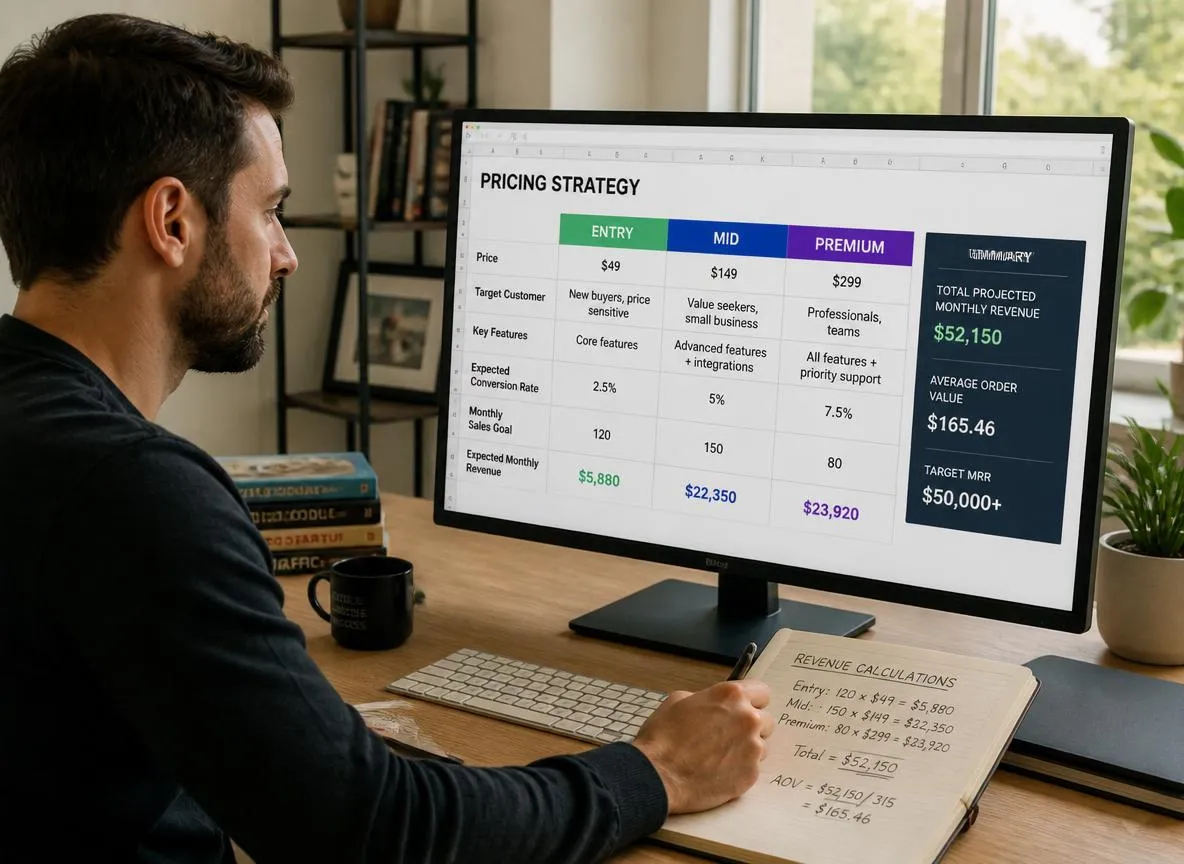
Rather than searching for a single correct price, experienced PLR sellers use a three-tier pricing architecture that captures buyers at different price sensitivity levels while maximizing total revenue from their catalog.
Entry Tier
Lowest friction for new buyers. Trust-building products that introduce buyers to your quality and naturally lead them to want more.
Mid Tier
Where the bulk of PLR revenue comes from. More comprehensive guides or template packs that address a complete problem.
Premium Tier
Complete solutions and flagship systems. Design quality, brand reputation, and testimonials drive conversions at this level.
The entry tier builds trust and fills your customer list. The mid tier generates the majority of your revenue. The premium tier multiplies your income per transaction. Sellers who build all three tiers consistently earn two to three times more than sellers operating from a single price point.
How to Price MRR Products Specifically
MRR products introduce a specific pricing complexity that PLR products do not have. Because buyers of MRR products receive the right to resell the same product, they are not just buying content — they are buying a business asset. This shifts the pricing conversation from what is this information worth to what is this business opportunity worth.
The most effective pricing approach for MRR products accounts for both the content value and the license value. A course on building an email list might be worth thirty-seven dollars as pure educational content. As an MRR product the buyer can resell indefinitely and keep all profits from, the same course is worth significantly more because the buyer can recoup the entire purchase price with a single resale. This is why well-positioned MRR products consistently command prices between forty-seven and ninety-seven dollars even when similar non-MRR content sells for less.
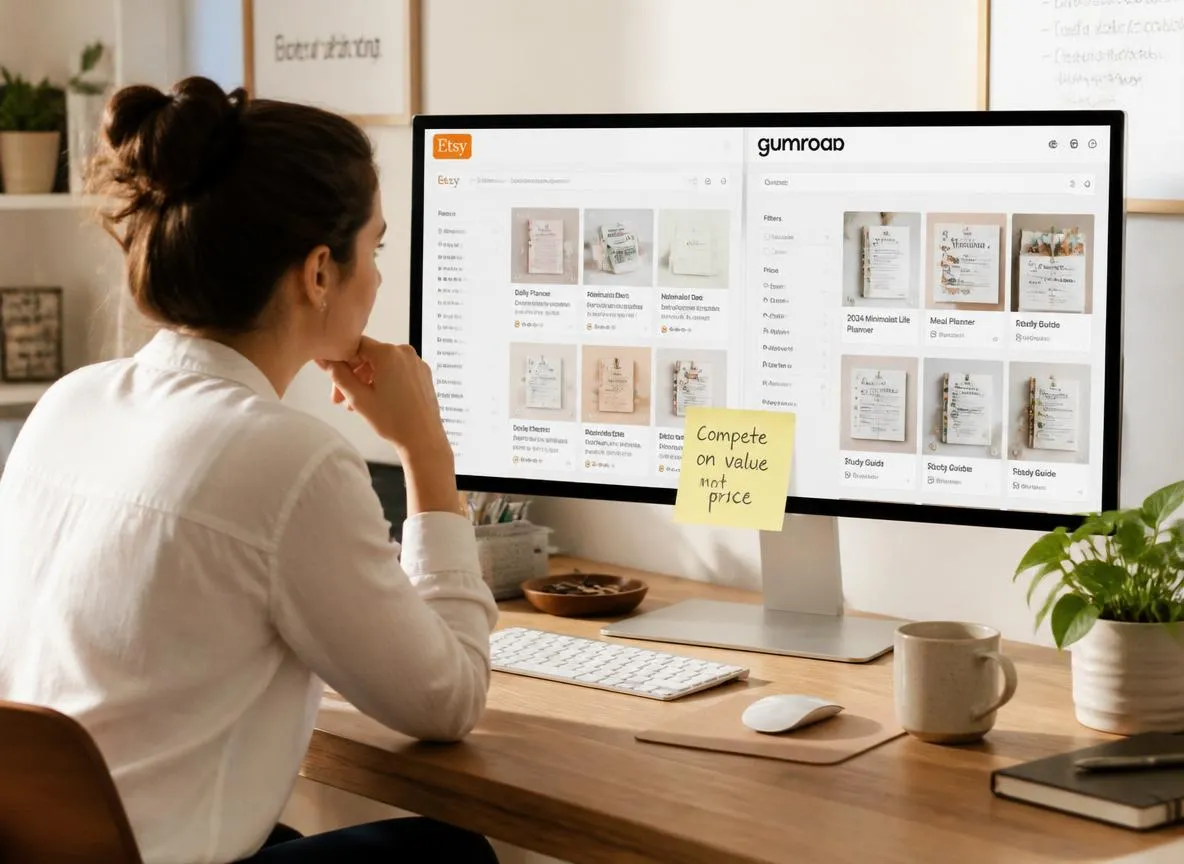
The competitive challenge with MRR pricing is saturation. When many sellers offer the same product, price comparison becomes easy and prices are driven down. The sellers who maintain premium MRR pricing do so through superior product presentation, better listing copy, stronger social proof, and bundle structures that offer more value than single-product competitors. The product is the commodity. The packaging and positioning are what justify the price. Promoting your MRR products through social media and leveraging affiliate marketing further separates premium-priced sellers from the commodity crowd.
Bundle Pricing: The Most Powerful Strategy in the PLR Market
Single-product pricing has a natural ceiling set by market competition. Bundle pricing removes that ceiling almost entirely. When you combine two, three, or five related PLR or MRR products into a thematic bundle and present it as a complete solution to a specific problem, the pricing conversation changes completely.
A single PLR ebook on budgeting might sell for seventeen dollars in a competitive market. A bundle of five related financial planning products — including a budgeting guide, a savings challenge workbook, a debt tracker template, a side income blueprint, and a beginners investment guide — can sell for sixty-seven to ninety-seven dollars with significantly less price resistance. The buyer is not comparing your bundle to other individual products because there is no direct comparison to make.
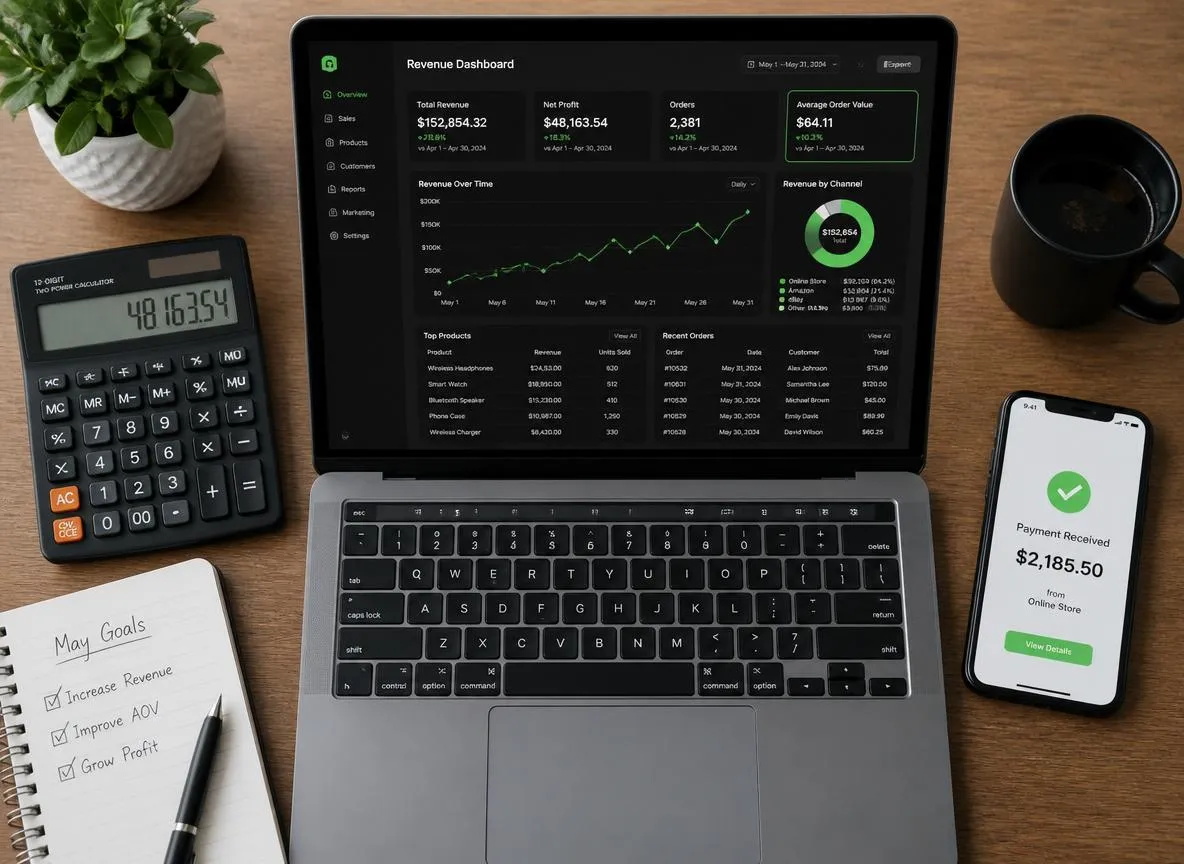
Bundle pricing also increases your revenue per transaction dramatically without increasing your traffic or advertising costs. If your current average order value is twenty dollars and you introduce a bundle priced at sixty-seven dollars that converts even a small percentage of your buyers, your total revenue increases substantially with no additional customer acquisition cost. This is why bundle strategy is one of the most recommended pricing tactics for established PLR sellers at every stage of business growth.
Practical Pricing Tips for PLR and MRR Sellers
- Never set your initial price at the lowest point in your market — start mid-range and observe conversion data
- Use nine-dollar pricing psychology on smaller products such as $7, $17, and $27
- Use round number pricing on premium products such as $97 or $147
- Test your price by raising it by 10–20% and monitoring whether conversion rate decreases proportionally
- Create a visible price anchor by listing bundle price next to individual component prices to emphasize value
- Add genuine bonuses such as checklists, templates, or quick-start guides to justify premium price points
- Use your sales data rather than competitor prices as your primary pricing reference
- Refresh your pricing every 3–6 months as your brand authority and review count grow
- Position price increases as improvements by simultaneously updating your product design or adding bonus content
- Never compete on being the cheapest — compete on being the most valuable
Price With Confidence. Profit With Purpose.
Pricing is not an accident and it is not a guess. It is a strategic decision that communicates your value to buyers before they read a single word of your product description. Raise your prices, invest in your presentation, build your bundles, and let the market confirm what your products are genuinely worth. The data almost always surprises sellers in the best possible direction.
Browse PLR Products to Price Strategically →
Leave A Reply