
How to Turn Generic PLR Into a Product Buyers Actually Trust
There is a moment every experienced online buyer recognises. They click on a digital product listing, scan the description, open the preview — and feel something instantly deflate. They do not buy. What they failed to feel was trust. And trust is the invisible currency that determines whether a PLR product sells once, sells consistently, or never sells at all.
The uncomfortable truth is that generic PLR does not fail because the information inside it is bad. It fails because nothing about the presentation signals that the person selling it has any genuine stake in it. Building a real passive income stream from digital products requires making buyers feel that your product was made specifically for them — not assembled for everyone.
Why Generic PLR Destroys Trust Before the Sale Even Happens
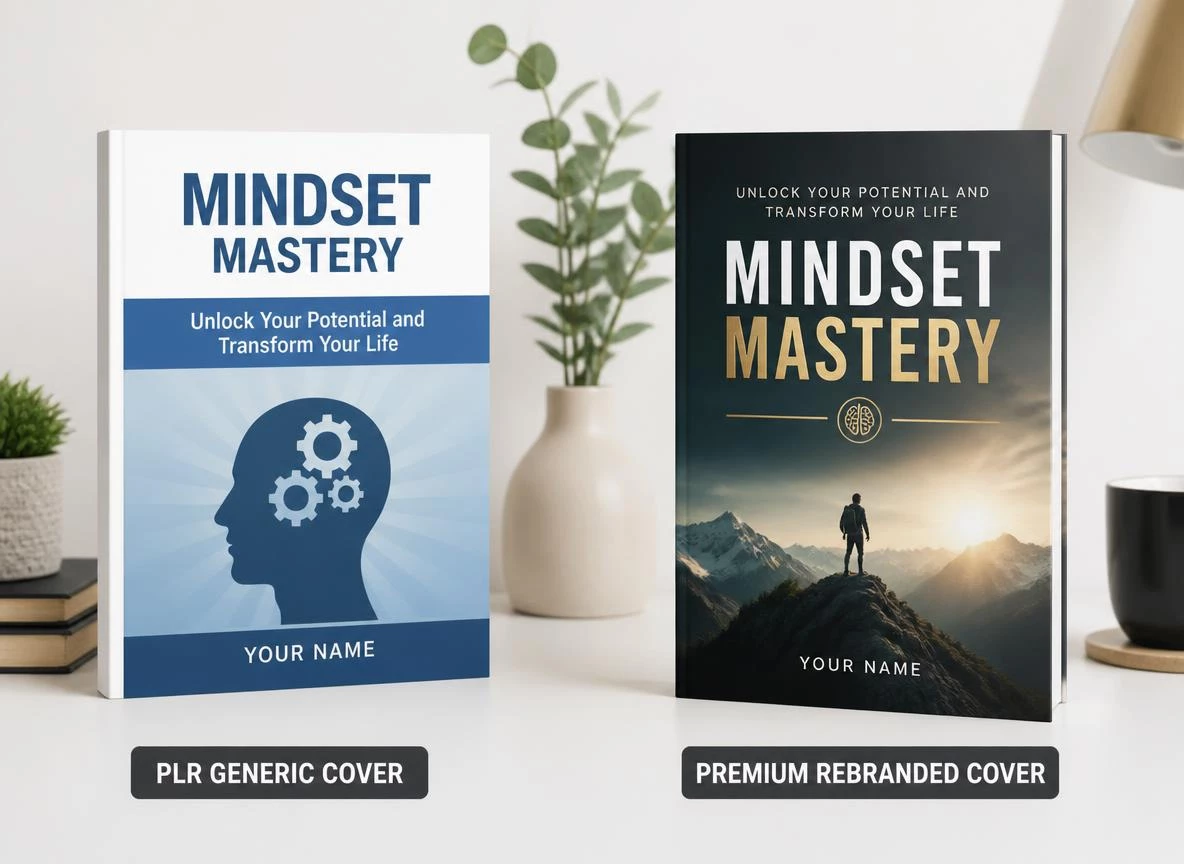
Trust in digital products is not built primarily by what a product contains. It is built by signals that appear before the buyer ever opens the file. The cover design, the product title, the listing thumbnail, the first sentence of the description, and the seller's overall shop aesthetic all communicate something about the quality and care invested in what is being sold.
Generic PLR fails every one of these trust signals simultaneously. The cover design is recognisable as a stock template. The title is descriptive but not compelling. The listing description reads like it was written to fill space. The result is that buyers arrive at the listing already predisposed to doubt — and the product has to overcome that doubt before it can create any desire.
Generic PLR
- Stock template cover design
- Topic-description title only
- Vague, broad examples
- Default interior formatting
- No distinct brand voice
Trusted Product
- Branded, intentional cover
- Outcome-focused, specific title
- Niche-specific real examples
- Designed interior layout
- Recognisable author voice
Start With a Name That Creates Expectation
The title of your PLR product is the first trust signal buyers encounter, and it does more work than any other single element in your product presentation. A generic PLR title describes the content accurately but fails to create any expectation of transformation — and it sounds identical to the dozens of other products covering the same topic.
Transforming a generic PLR title into a trust-building product name requires shifting from description to promise. A title like "Complete Guide to Social Media Marketing" describes what is inside. A title like "The 30-Day Social Brand Blueprint: How New Businesses Go From Zero Following to First Paying Client" creates a specific expectation of a specific outcome for a specific buyer. That specificity signals expertise. Support it with a well-built content marketing strategy and your product starts attracting exactly the right buyers before they even click.
Rewrite the Introduction Entirely in Your Own Voice
If you read the introduction of most generic PLR products, you will notice they share a structural pattern. They open with a broad statement about why the topic matters. They follow with a vague promise about what the product will teach. The result is a product that feels like it was designed to cover a topic rather than to help a person.
Rewriting the introduction entirely in your own voice is the single highest-leverage customisation you can make to any PLR product. Not tweaking it — rewriting it completely from scratch. Your new introduction should open with a specific scenario your target buyer recognises from their own experience, establish your voice as distinct from the encyclopaedic tone of most PLR content, and make an implicit promise that this product was written with the reader specifically in mind.
The test for a well-rewritten introduction is simple. Read it aloud and ask whether it sounds like you or like a content mill. If a stranger could have written the same words, the introduction is not finished yet. Keep rewriting until every sentence carries something only you would say, only your audience would recognise, or only your specific take on the topic would include.

Replace Generic Examples With Specific Ones Your Audience Recognises
Generic PLR is full of vague examples. Phrases like "imagine a small business owner who wants to grow their online presence" or "consider an entrepreneur struggling with productivity" are so broad they apply to everyone and therefore resonate with no one. They are placeholders, not communication.
Replacing generic examples with specific ones is where PLR transformation starts to feel like genuine expertise. A productivity guide rewritten for freelance designers should reference client revision cycles, creative blocks before a deadline, and the specific workflow software designers actually use. None of that specificity exists in generic PLR — and that is exactly why adding it is so powerful. When a buyer reads an example that describes their exact situation in their exact words, the trust response is immediate and almost involuntary. The research required is minimal: thirty minutes in a Reddit thread or Facebook group in your niche gives you the language buyers use to describe their own problems.
Design the Visual Experience as Intentionally as the Content
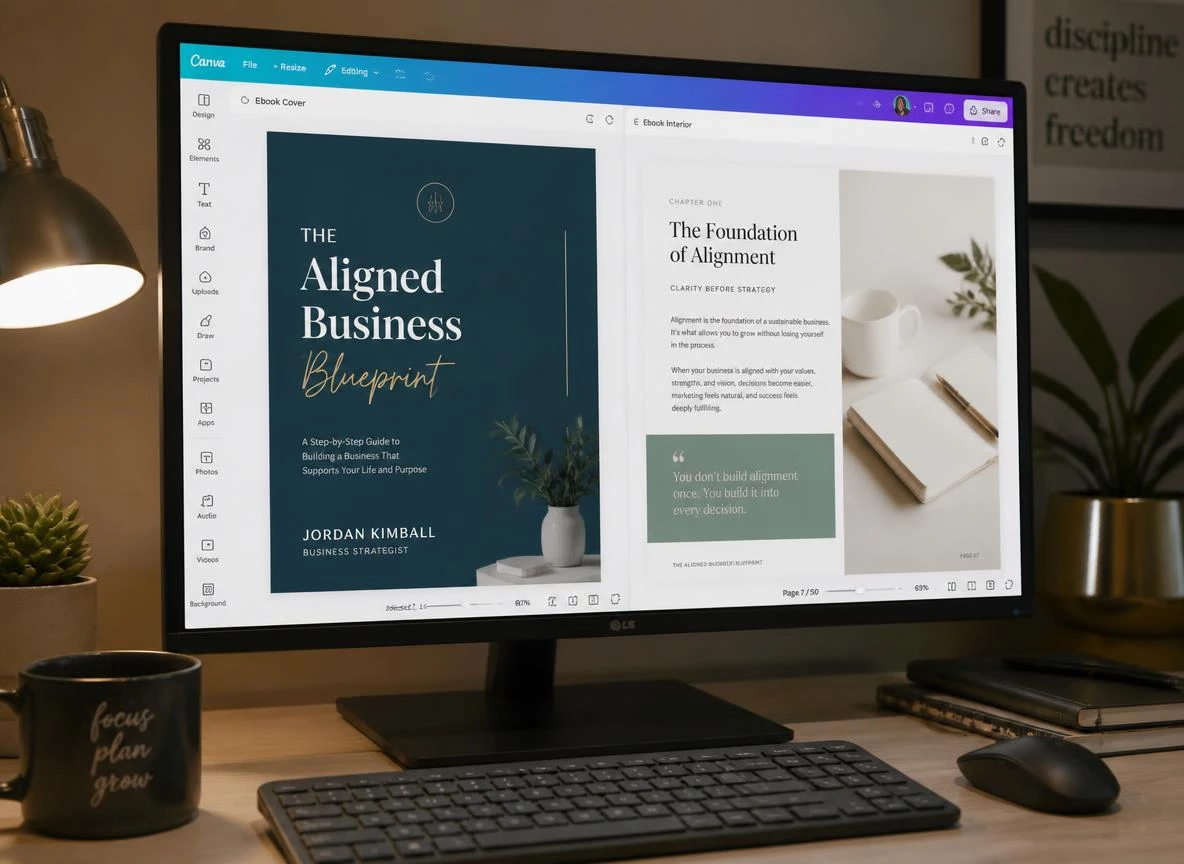
Most PLR sellers treat design as a finishing touch rather than a foundational trust element. They change the cover colours, add their logo, and consider the product rebranded. The result is a product where the cover has been updated but the interior still looks like a formatted Word document from a supplier with no design investment.
The visual experience of your product communicates your values as a creator before a word is read. A product with a carefully designed interior layout, consistent typography, branded colour accents, section dividers, and pull-quote formatting signals that the person who made it cares about the buyer's experience. Use AI tools to generate interior layout concepts and Canva's document templates to build them out efficiently. The key is to treat every page of the interior as a design decision rather than a text container.
Add a Layer of Original Insight That Only You Could Contribute
The most powerful trust signal in any PLR product is the presence of something that clearly did not come from a generic content source. A personal observation. A contrarian take on conventional wisdom in your niche. A specific framework you have developed through your own experience. A case study from your own business. These original contributions are what separate a PLR product that feels repackaged from one that feels authored.
You do not need to add original insight to every section. You need to add it in enough places that a reader encounters it and thinks "this person actually knows what they are talking about." One genuinely original section per major chapter is typically sufficient. A bonus module built entirely from your own experience is even more effective — it gives you something exclusive to promote in your listing and in your social media content strategy.
The strategic value of original insight in PLR products extends beyond the immediate trust-building. Buyers who encounter genuine expertise become interested in the creator behind it. They visit your shop. They sign up for your email marketing list. They come back for your next product. Original insight is the mechanism that converts a one-time buyer into a repeat customer.
Build Social Proof Before It Happens Naturally
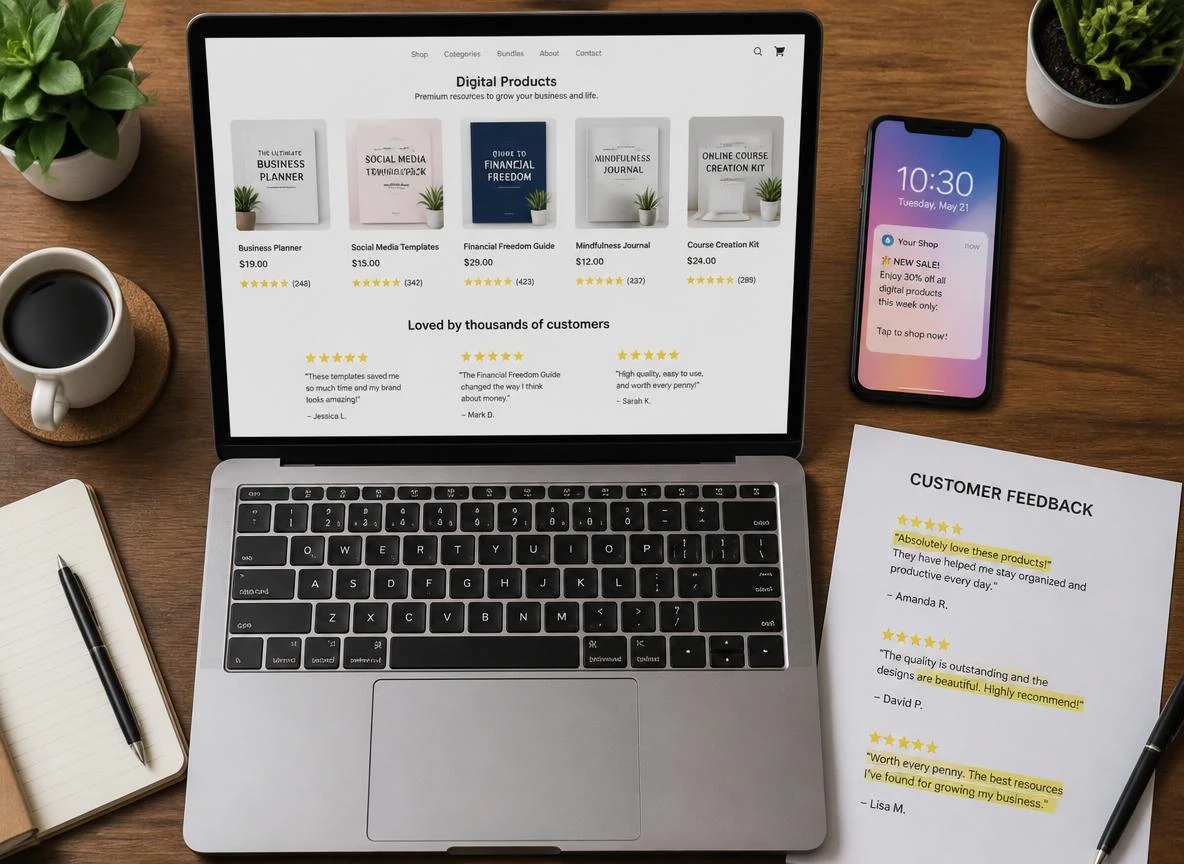
New PLR products have no reviews, no testimonials, and no purchase history. This absence of social proof is one of the most significant trust barriers for any new digital product, and it is particularly acute for PLR because buyers are already slightly sceptical about whether the content will be genuinely valuable.
The most effective way to build social proof before it happens organically is to give your product to a small number of people in your target audience before the public launch. Ask them to use the product and share honest feedback. The feedback improves the product. The testimonials begin building the social proof layer that new buyers need. Pair this with a pre-sale affiliate marketing campaign and your launch arrives with existing momentum rather than starting from zero.
A second approach is to use your product content as the source material for free content published publicly before launch. When buyers encounter your paid product after consuming your free content, they arrive with existing trust rather than starting from scratch. This pre-sale trust architecture is something that generic PLR resellers almost never build — which is why their conversion rates stay frustratingly low even when their traffic is adequate.
Practical Tips for Building Buyer Trust Into Every PLR Product
- Rewrite the title to include a specific outcome and a specific audience, not just a topic description
- Rewrite the introduction completely in your voice, beginning with a specific scenario your target buyer would recognise
- Replace at least three generic examples per chapter with specific, niche-relevant scenarios using your audience's actual vocabulary
- Design the interior layout using Canva so every page reflects intentional visual choices, not default formatting
- Add at least one original section, framework, or observation per major chapter that clearly did not come from a generic source
- Create a free sample or lead magnet from one section of the product to build pre-sale trust with potential buyers
- Collect three to five testimonials from beta users before the public launch and display them prominently in your listing
- Use your product content as the basis for free social media content published in the weeks before and after launch
- Update any statistics, data points, or tool references in the PLR content to ensure everything is current and accurate
- Respond to every review and buyer question publicly to signal that a real person stands behind the product
The Product That Earns Trust Earns Repeat Business
Generic PLR does not fail because PLR is a bad business model. It fails because most sellers hand it to buyers in the same state they received it. Add your voice, your examples, your design decisions, your original insight, and your social proof strategy — and PLR becomes a product worth buying.
Browse PLR Products to Transform →
Leave A Reply